Midlife as a Turning Point
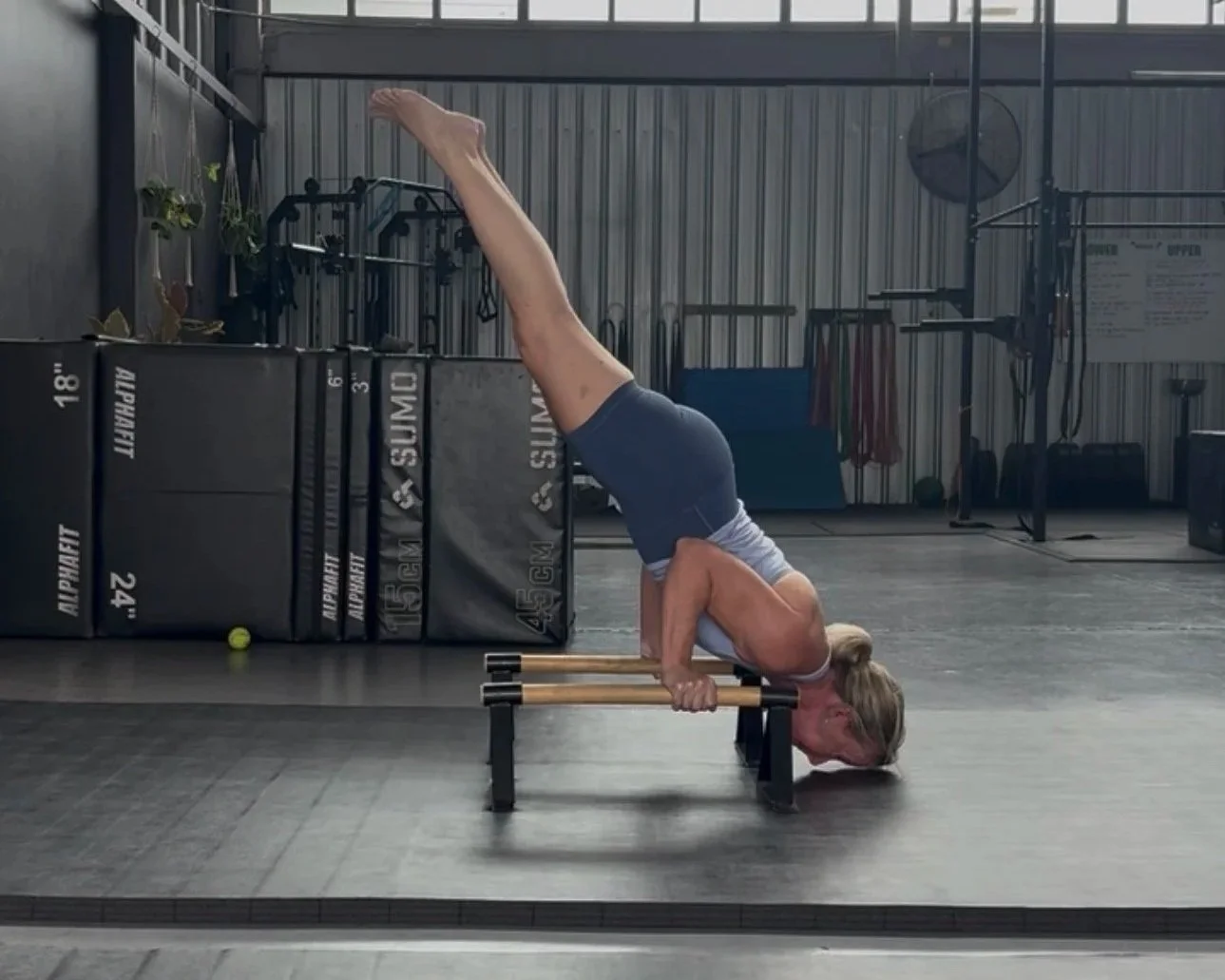
MIDLIFE AS A TURNING POINT
Perimenopause and menopause are natural stages of life, yet many women arrive here without clear explanation or guidance. The changes are often gradual at first, easy to dismiss, and difficult to recognise as hormonal.
If you are a man, keep reading too! Partner understanding and empathy is an important support.
It is often only in hindsight that the pieces begin to connect:
· Periods become irregular — sometimes heavier and more frequent, sometimes lighter or further apart
· Sleep becomes lighter or more disrupted
· Body temperature fluctuates rapidly
· Energy levels waver
· Body weight gradually increases
· Fat accumulates more readily around the abdomen
· Mood shifts, often with increased anxiety or irritability
· Skin and hair become drier
· Vaginal dryness, painful intercourse and reduced libido are common
· Muscle aches, slower recovery and more frequent soft tissue injuries develop
These concerns are common, yet many women feel unprepared for them.
Instead of this calm, informed support, we are often met with:
· Noise on social media.
· Quick fixes and ‘magic’ products.
· Conflicting opinions from the ‘experts’.
· And at times, medical pathways that feel rushed or incomplete.
As a health coach and a woman who has navigated this stage myself, I understand how unsettling it can feel. During perimenopause I was dealing with low iron and heavy bleeding, unexpected weight gain and mood shifts. The solution offered to me at the time was an iron infusion and hysterectomy.
This felt confronting, final, and somehow too big a step for a time in my life I did not yet fully understand.
Instead, I paused and sought another perspective. With the guidance of a thoughtful practitioner, I began to approach this change with more information, more clarity and a broader view of my health.
Looking back, I can see this time was not only as challenging…
but it was a turning point, and an opportunity to shift focus, take control of my own health.
What is actually happening?
Perimenopause is the transitional phase leading up to menopause. During this time, estrogen and progesterone do not simply decline, they fluctuate unpredictably before gradually reducing. Menopause is defined as twelve consecutive months without a period, after which estrogen remains consistently lower in post-menopause.
This hormonal transition is not only the end of our reproductive years, but it also influences nearly every system in the body, including:
· sleep regulation
· mood stability
· temperature control
· insulin sensitivity and blood sugar regulation
· muscle maintenance and bone turnover
· connective tissue integrity
· cardiovascular health
Estrogen also has important anti-inflammatory effects throughout the body. As levels fluctuate and later decline, we gradually lose some of that protective influence. The body can become more prone to inflammation, shifts in fat storage toward the abdomen, reduced muscle mass and strength, slower recovery, accelerated bone loss and increased vulnerability in tendons and ligaments.
We cannot prevent hormonal change, but we can influence how well our bodies respond to it. The body remains adaptable and responsive, particularly when supported with strength training, nourishing food, restorative sleep, sunlight and consistent care.
Why strength suddenly matters more than ever
There is one thing that becomes unmistakably clear in navigating this stage of life:
Strength training is no longer optional, it is central to health, function, and longevity.
Your choices now will determine how you live the next three, four, five decades of your life.
As women move through perimenopause and into menopause, declining estrogen affects how we use glucose, how we store fat, how we maintain muscle, and how we maintain bone. Without intentional stimulus, muscle mass and bone density naturally diminish with age, a process known as sarcopenia and osteopenia/osteoporosis.
Muscle and bone are not separate systems. They are central organs of health.
Dr. Gabrielle Lyon, a researcher and leader in muscle-centric medicine, describes muscle as the “organ of longevity.”
· Skeletal muscle is the body’s largest reservoir for glucose disposal.
· Greater muscle mass improves insulin sensitivity and helps regulate blood sugar.
· Muscle acts as a metabolic buffer, helping to keep energy use efficient and adaptable.
· Muscle supports immune function, recovery, balance, and overall resilience.
More muscle means more metabolic flexibility, less risk of chronic disease, and stronger ageing.
Bone is responsive tissue. It does not maintain itself without stimulus.
Dr. Vonda Wright and others in orthopaedic and ageing research emphasise that bone responds best to load, impact, tension and progressive resistance, not gentle movement alone. Walking, pilates and yoga are great for mobility and support core strength, but they do not provide enough mechanical load on their own to substantially stimulate bone remodelling.
Large cohort and intervention studies consistently show that:
· Strength training improves muscle mass and strength in women at all ages
· It helps preserve and, in some cases, increase bone mineral density
· It enhances insulin sensitivity and glucose regulation
· Reduces visceral fat
· Enhances functional capacity, things like rising from a chair, climbing stairs, carrying groceries, long into later life
· Higher muscle strength is linked with lower all-cause mortality
Cardiorespiratory fitness and muscular strength are among the strongest predictors of long-term health and independence in women as they age, often more meaningful than body weight alone.
The stimulus we provide now through progressive strength training shapes the resilience of the decades ahead.
Strength training is essential, but so is recovery.
During perimenopause and post-menopause, the nervous system can be more reactive, sleep more fragile and connective tissue more vulnerable.
Careful exercise programming matters. Progressive load should be balanced with adequate rest and individualisation. This is where guidance from an experienced coach can make a significant difference.
Recovery practices become supportive tools for strength training.
For me, this has included structured deload weeks, prioritising sleep, exposure to morning light, time in nature, and practices such as sauna and ice baths. Used intentionally, they support circulation, nervous system regulation and overall recovery capacity.
Recovery makes strength sustainable.
Returning to the Foundations
The hormonal transition of perimenopause and menopause requires a renewed focus on the foundations of health. As estrogen declines and its influence across multiple systems shifts, the margin for error narrows. Our daily choices matter more.
• Strength training becomes essential
• Real food forms the foundation of nutrition and optimal gut health
• Adequate high-quality protein supports muscle maintenance and repair. A good range is 1.5-2.2g protein per kg of goal body weight, depending on training load and level of activity
• Prioritising quality and adequate sleep
• Stress management
• Sunlight and circadian rhythm matter.
• Time in nature and meaningful connection regulate the nervous system.
During this stage, sleep is often disrupted, recovery slows, muscle becomes harder to maintain, blood sugar regulation becomes less forgiving and anxiety can rise. The body responds best to consistent stimulus, adequate nourishment and intentional recovery.
For many women and certainly for me, returning to these foundations with genuine commitment led to significant improvements in energy, mood, sleep and metabolic stability.
Lifestyle is not an afterthought. It is the base upon which everything else rests.
This period of life became an opportunity to refine these habits and prioritise my health with clarity and intention.
The Role of Thoughtful Medical Support
For some women, these foundations alone are not enough.
Carefully prescribed medical support can play an important role, particularly when symptoms are significant or when bone density, cardiovascular risk or quality of life are clearly affected.
Hormone replacement therapy, including bioidentical formulations when appropriately tested and prescribed, can help restore hormonal balance and reduce symptoms for many women. The goal is not to override the body’s natural physiology, but to support it in an individualised way.
It is important to acknowledge that fear surrounding hormone therapy has persisted for decades, largely influenced by early interpretations of the Women’s Health Initiative study of 2002. Much of that data has since been re-analysed and clarified, particularly regarding timing, age of initiation and the differences between hormone types and delivery methods. Since this time the quality and availability of hormone therapies has dramatically improved. Current evidence supports that, for appropriate people, hormone therapy can be both safe and beneficial.
This is not about blanket prescribing. It is about informed, tested and supported individualised care by a trusted experienced medical professional.
Supplementation may also support this stage of life when used appropriately.
My personal prescription has evolved throughout the peri/menopause/post menopause period. Alongside strength training, nutrition, lifestyle choices for optimal health, my current protocol includes:
· Quality magnesium for sleep and nervous system regulation
· Creatine for muscle and cognitive support
· Collagen for connective tissue health
· CBD oil to assist with muscle tightness from training and deeper sleep
· Bioidentical hormone therapy to support, based on current bloodwork as needed.
Supplements are not shortcuts and they work best when layered onto strong foundations.
Lifestyle first. Medical support when indicated. Ongoing reassessment as the body adapts.
A Threshold, Not a Decline
Beyond the science and the practical steps, there is often a deeper layer to this stage of life.
During my reflection on this newsletter and conversations with other beautiful women, these questions came up:
Why do women have to go through menopause at all?
What is the purpose of it?
Biologically, menopause is part of human design. From an evolutionary perspective, many anthropologists suggest that post-reproductive women played, and still play a vital role in community stability, knowledge transfer and intergenerational support. There is a beautiful strength and grace in that.
Writers and educators such as Jane Hardwicke Collings speak of menopause as an initiation not into decline, but into authority, a movement from the reproductive years into a phase of clarity, boundary-setting and deeper self-knowledge.
Whether you frame it biologically, ancestrally or spiritually, there is something undeniable about this stage of life. It is a threshold.
For many of us, midlife arrives after decades of placing family, children, partners and work ahead of ourselves. We have nurtured, carried, supported and managed.
This stage of life offers something different. An opportunity to turn some of that care inward.
Because the work of this stage is not simply enduring symptoms. It is building capacity.
To remain strong.
To stay metabolically resilient.
To protect bone and muscle.
To preserve cognitive clarity.
To live independently and fully for decades to come.
It is also deeply individual. There is no single prescription. No universal formula. You must find what works for your body, your history and your circumstances.
And perhaps this conversation is not only for women.
Men experience hormonal shifts too, though often more gradually. The same foundations apply, strength, sleep, nourishment, sunlight, connection. And for the men in our lives, understanding what women experience during this transition matters. Support, patience and shared commitment to health strengthen families as much as they strengthen individuals.
Menopause is a transition into a different phase of strength and of lived wisdom.
This stage of life deserves to be approached with knowledge, intention and care.